
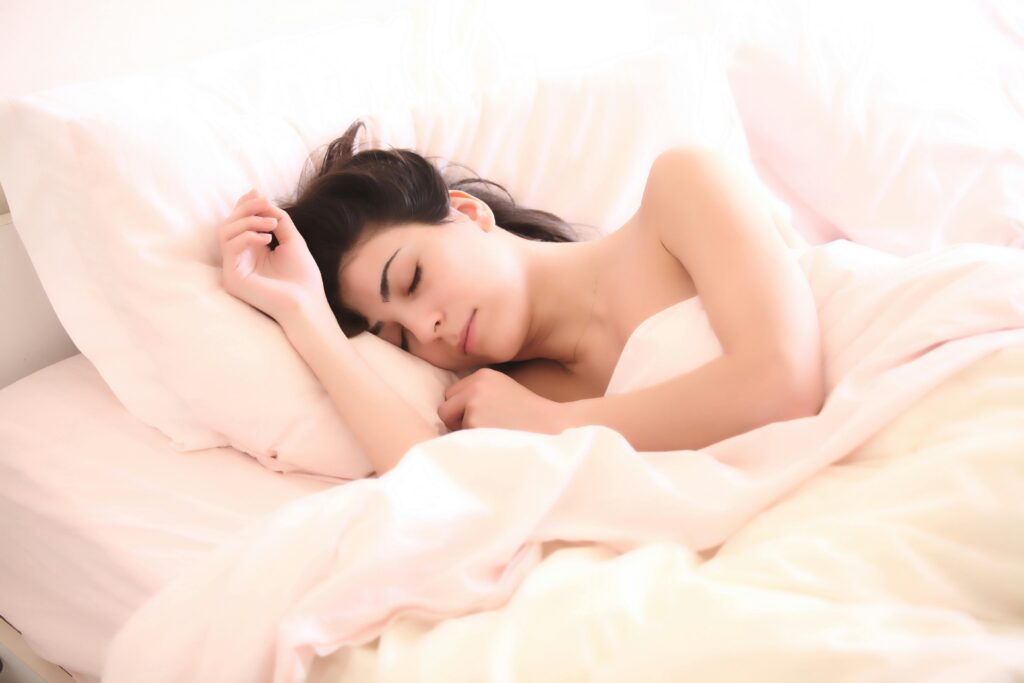
I used to think “beauty sleep” was just a marketing gimmick made up by people trying to sell fancy creams. But after a week of surviving on four hours a night, my skin gave me a reality check.
My face looked terrible—tired, puffy, and lifeless. No concealer could cover up those dark circles. And I felt even worse. Every little thing got to me. I was anxious, irritable, just… not myself. That’s when I realized: sleep isn’t only about feeling rested. It’s about being able to show up as yourself—on the inside and the outside.
Here’s What Really Happens When You Don’t Sleep
While you’re sleeping, your skin is hard at work repairing and renewing itself. Cut that process short, and things go south quickly. Science backs it up—lack of sleep dries out your skin, damages your protective barrier, and speeds up aging. Your body makes less collagen (the stuff that keeps skin firm and smooth). Blood flow to your face drops. Even your skin’s pH balance gets thrown off.
In simple terms? You get more wrinkles, more dryness, more breakouts, and that dull, tired look no product can fix.
And your mood? It plummets. Lack of sleep and anxiety go hand in hand. When you’re exhausted, your brain can’t process positive emotions the same way. I noticed it a lot—small problems felt huge, and I couldn’t shake off the negativity.
It’s not just mental, either. People with insomnia are much more likely to get depressed, partly because sleep deprivation and depression both involve dysregulated cortisol. Mastering stress management can interrupt this feedback loop before it becomes clinical.
Why Sleep Is Your Secret Advantage
But here’s the good news: when you sleep well, everything gets better.
Your skin gets a boost in blood flow at night, giving you that healthy glow when you wake up. Your body releases growth hormone to repair daily damage. Cortisol (the stress hormone that messes with your skin) finally eases off.
Mentally, sleep changes everything. Studies show that better sleep means less depression, less anxiety, and less stress. You don’t just feel less tired—you actually recover from life’s challenges more easily.
How I Started Sleeping Better
You don’t need high-tech gadgets or pricey supplements. Just try a few easy habits:
1. Create a bedtime routine.
Do the same calming things each night—tea, skincare, reading. It signals your brain to wind down.
2. Keep a regular schedule.
Get up at the same time every day, even on weekends. It’s tough at first, but your body adapts.
3. Make your bedroom sleep-friendly.
Keep it dark (blackout curtains help), cool, and quiet. Leave your phone outside—trust me, this is huge.
4. Watch your caffeine.
Stop drinking it after lunch. That late coffee will keep you up at night.
5. The 20-minute rule.
If you can’t fall asleep after 20 minutes, get up and do something boring in another room. Don’t just lie there stressing out.
6. Move your body.
Exercise helps you sleep better, but do it earlier in the day. Late workouts can make you too alert at bedtime.
What Changed For Me
I started going to bed at 10:30. Left my phone out of the bedroom. Stopped having coffee in the afternoon. Within two weeks, my skin looked brighter and less tired. The dark circles faded. But honestly, the biggest change was my mood.
I stopped feeling overwhelmed. Problems felt manageable again. I had the energy to do things I enjoy. I finally felt like myself.
Your Turn
You don’t have to change everything overnight. Just pick one habit from this list, try it for a week, and see what happens.
Because here’s the truth: sleep isn’t lazy or selfish. It’s the foundation for everything else. Your skin, your mood, your energy—it all starts here.
You deserve to wake up refreshed. To like what you see in the mirror. To get through your day without feeling like you’re falling apart.
Start tonight. Your future self will thank you. Sleep well ^^
Pingback:How To Meditation and Mindfulness For Beginner
Pingback:Mastering Stress Management: 5 Simple Rituals for Inner Calm